|
|
|
|

|

|
|
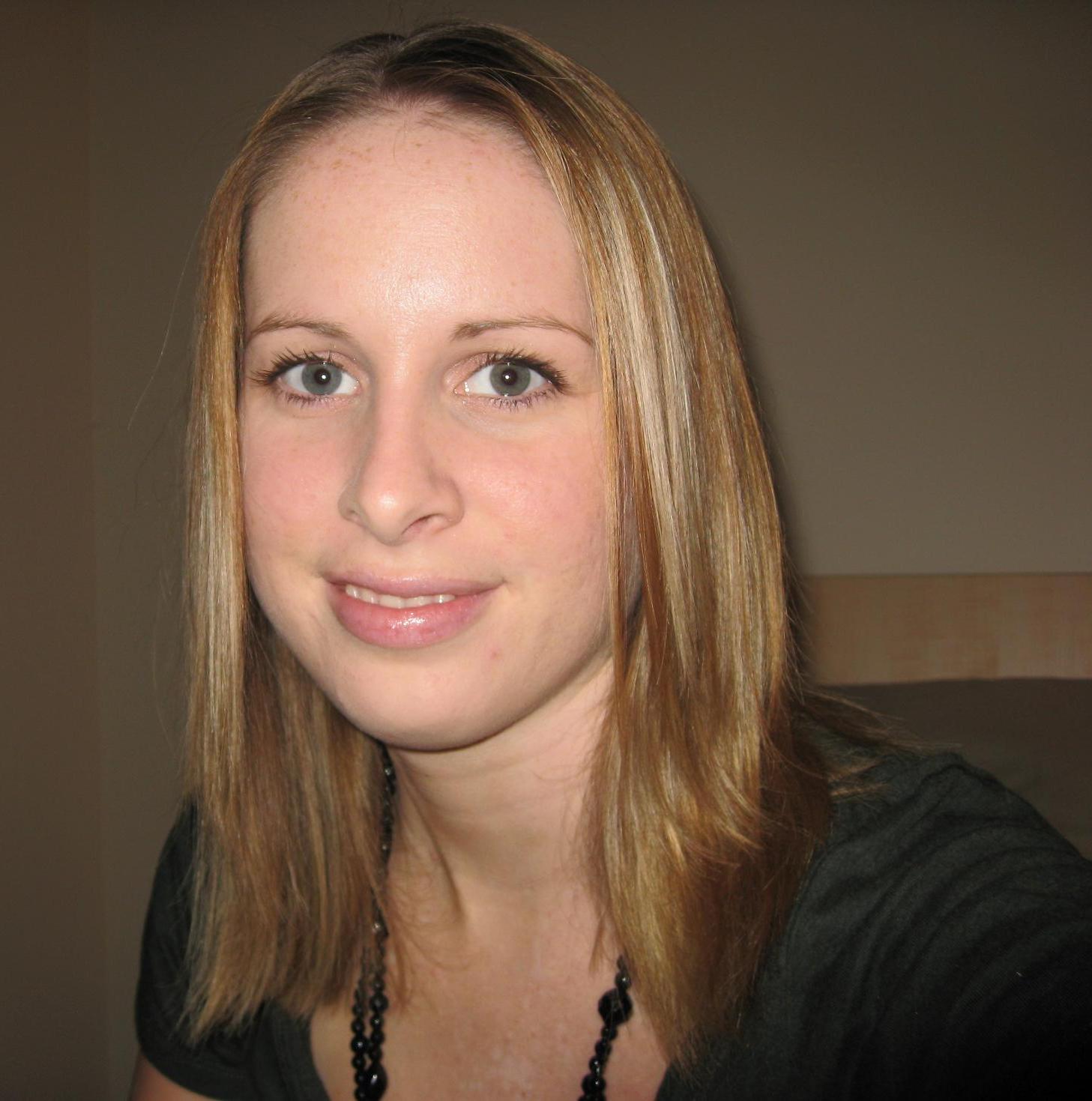 |
| Catherine Card |
| Home
Country: |
Canada |
| Degree: |
Bachelor of Science in Microbiology from University of Manitoba
University of Manitoba, Doctoral student 5th year |
Supervisor:
Project Title:
|
Dr. Keith Fowke
Regulatory T cells and Immune Quiescence: a model for resistance to HIV infection |
|
|
|
Description
of the Project: Emerging data from our lab suggests that resistance to HIV infection is associated with low levels of immune activation, a phenotype we have termed Immune Quiescence. My project focuses on the role that regulatory T cells play in controlling immune activation. We have shown that HIV-resistant commercial sex workers have elevated frequencies of regulatory T cells and lower frequencies of activated T cells. By reducing T cell activation, thus limiting the pool of susceptible target cells available for infection by HIV, regulatory T cells may play a key role in mediating Immune Quiescence and resistance to HIV infection. |
| |
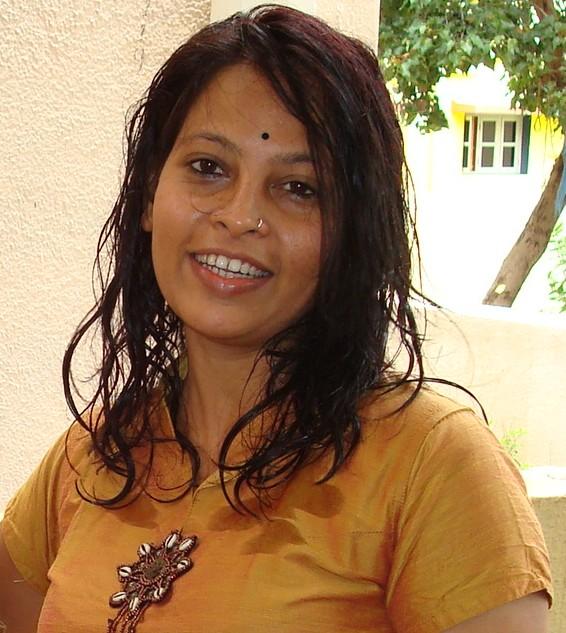 |
| Kaveri Gurav |
| Home
Country: |
India |
| Degree: |
MSc: Anthropology, (Physical anthropology), Karnatak university, Dharwad, India
PG Diploma: women studies , Karnatak university, Dharwad, India
PhD: Anthropology, Karnatak university, Dharwad, India |
Supervisor:
Project Title:
|
Dr. James Blanchard
Vulnerabilities associated with migration of female sex workers (FSWs) in India |
|
|
|
Description
of the Project: The “Payana” (means “journey), a research project designed to understand the migration patterns and associated HIV/AIDS vulnerability among rural female sex workers ( FSWs) in Northern Karnataka and Southern Maharastra states of India. This is a longitudinal study, began in January 2008. The project has qualitative and quantitative components. As a part of the study, 1500 FSWs have been enrolled and are followed up periodically. Through the extensive data that is being collected under “Payana”, we are trying to identify how the specific and contextual factors (Age, migration status, sex work environment, social-sexual relationships, violence etc) enhance risk and vulnerability of FSWs. |
| |
 |
| Arup Kumar Das |
| Home
Country: |
India |
| Degree: |
International Institute for Population Sciences, PHD program |
Supervisor:
Project Title:
|
Dr S. K. Singh, International Institute for Population Sciences-Mumbai
Psychosocial, Behavioral and Contextual Determinants of STI/HIV Vulnerability among Female Workers in Bars: A life cycle approach. |
|
|
|
Description
of the Project: A significant proportion of girls working in the Bars of Mumbai are also involved into sex work and have a different characteristic in comparison with the other non-brothel based sex workers. Deep-rooted poverty at the peripheral states and other countries creates a complex social environment, which tended them to migrate to Mumbai. Over time, factors such as higher aspiration to earn quick money and greater demand for sexual services due to presence of large number single male migrants increase their risk taking attitude and behavior. Subsequently, a lower capacity to adopt safe sexual practices increases their vulnerability of STIs/HIV and expected to contribute significantly in the existing pace of the epidemic in the city of Mumbai Under this backdrop the proposed to explore how individual level behavioral risk factors are influenced by psychosocial, structural and contextual factors. |
| |
 |
| Jennifer Juno |
| Home
Country: |
Canada |
| Degree: |
U of Manitoba, PhD student (1st year – transitioned from 2 years as MSc student) |
Supervisor:
Project Title:
|
Dr. Keith Fowke
The Role of Genetic Polymorphisms at the CD4 locus in HIV disease progression |
|
|
|
Description of the Project:I am studying how polymorphisms in genes surrounding CD4 can impact HIV progression. A SNP in a signaling gene has been associated with delayed disease progression in a Kenyan cohort, and I am interested in the mechanism by which this SNP affects the immune response to HIV. I am also interested in the linkage between this SNP and transcription of other immune-related genes at the CD4 locus, and the impact it might have on the adaptive immune response to HIV.
|
| |
 |
| Meika Richmond |
| Home
Country: |
Canada |
| Degree: |
University of Manitoba, Doctoral student 4th year |
Supervisor:
Project Title:
|
Dr. Frank Plummer and Dr. T. Blake Ball
Polyfunctionality and proliferation of CD8+ T cells in chronic and acute HIV infection
|
|
|
|
Description
of the Project: Previous work by others and myself have demonstrated that HIV infected subjects who experience slower disease progression maintain better HIV-specific CD8+ T cell proliferation and polyfunctionality compared with normal progressing controls. My research aims at better understanding the polyfunctional and proliferative capacity of HIV-specific CD8+ T cells. I am following newly infected subjec; shortly after seroconversion through to chronic infection and monitoring the changes in the quality of their CD8+ T cell responses over the course of their infection. I am also characterizing novel epitopes found during a previous p24 epitope mapping study that educe polyfunctional and proliferative responses.
|
| |
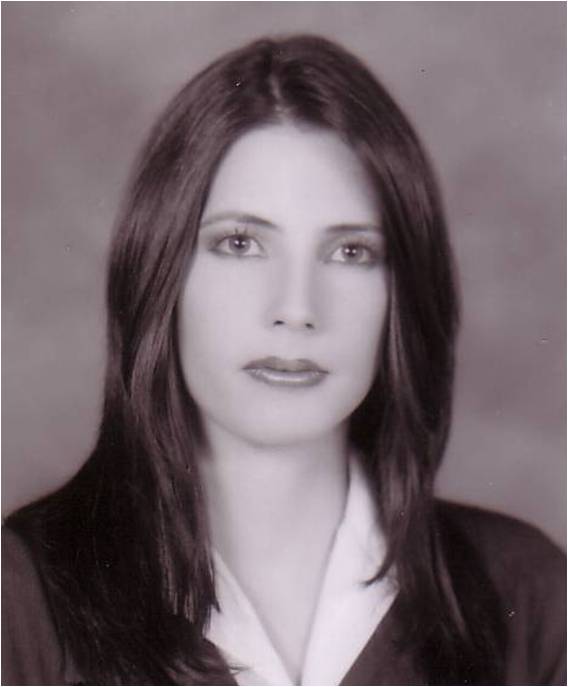 |
| Zulma Vanessa Rueda |
| Home
Country: |
Colombia |
| Degree: |
University of Antioquia, doctoral student of Epidemiology, 3 year |
Supervisor:
Project Title:
|
Lázaro Vélez, MD. Professor of Medicine
University of Antioquia.
Epidemiologic and clinical characteristics of Mycobacterium tuberculosis in prisoners at four different jails. Colombia 2010-2012
|
|
|
|
Description
of the Project: Prisons are considered major reservoirs of tuberculosis (TB) and from that point of view, a major threat to public health. In order to get to know the magnitude of the problems in prisons at regions where they will carry out the study and it’s potential impact on public health, we want to investigate: What is the prevalence of sensitive and resistant TB in the prison population? What are the risk factors for TB and those associated with primary and secondary resistance? What are the clinical presentations and outcomes of TB according to the genotypes and resistance patterns identified?
|
| |
![]() |
| Souradet Shaw |
| Home
Country: |
Vientianne, Lao |
| Degree: |
BA (Major: Psychology) from the University of Manitoba
MSc (Department of Community Health Sciences) from the University of Manitoba
|
Supervisor:
|
Dr. James F. Blanchard |
|
|
|
Project
Title: Understanding autoimmune diseases: combining traditional epidemiological techniques and complex systems approaches |
Description
of The Project: The causes of two related diseases, inflammatory bowel disease (IBD) and multiple sclerosis (MS) are unknown. It has been proposed that a combination of environmental exposures and genetics cause IBD and MS, but the correct combination is still a mystery. Solving this mystery is a great challenge to researchers; part of the challenge lies in the limitations of researchers’ tools. Using administrative data and other existing data sources, this project will combine traditional epidemiologic methods and complex systems dynamic modeling to compare the epidemiology of these idiopathic diseases in different populations. Conceptualizing IBD and MS emergence as a property of dynamic systems expands the analytical capacity of epidemiologists to uncover disease etiology, potentially informing prevention and treatment. |
| |
![]() |
| Derek Stein |
| Home
Country: |
Canada |
| Degree: |
University of Manitoba, P.hD. Student, 2nd Year
|
Supervisor:
Project Title: |
Dr. Frank Plummer and Dr. Blake Ball
Mass Spectrometry based characterization of HIV-1 resistance in the female genital tract. |
|
|
Description
of the Project: The world is in desperate need of an effective HIV-1 vaccine and models of protective immunity. In Nairobi, Kenya a group of commercial sex workers have been characterized, who, despite repeated exposure to HIV-1, remain uninfected. Globally, most HIV exposures occur in the female genital tract (FGT) during heterosexual contact, leading our group to hypothesize that immune defenses acting at the genital mucosa may be contributing to their ability to resist HIV infection. This thesis hypothesizes that lymphocytes in the FGT of HIV resistant women have distinct functional and phenotypic properties when compared with women who have a relatively low-risk of becoming infected and that this may be playing a significant role in mediating resistance to HIV infection. Using a mass spectrometry based approach we are able to compare the proteome expression differences between these groups to discover biologically relevant markers of HIV resistance in the FGT. A better understanding of how HIV is naturally repelled will have important implications for the design of vaccines and microbicides needed to slow the HIV pandemic.
|
| |
![]() |
| Yingfeng Zheng |
| Home
Country: |
Fuzhou, China |
| Degree: |
MSc, Fujian Medical University, China |
Supervisor:
Project Title:
|
Xiaojian Yao
Functional role and molecular mechanism underlying the interplay of HIV-1 integrase with host cofactors |
|
|
|
Description
of the Project: HIV-1 utilizes many host cellular cofactors to optimize its replication lifecycle. My project focuses on investigation of molecular mechanisms underlying the early stage of HIV-1 replication, especially on HIV-1 integrase/cellular protein interactions required for HIV-1 DNA nuclear import, chromatin targeting and integration. Blocking the key virus-host interaction would provide new strategies for antiviral therapy
|
| |
![]() |
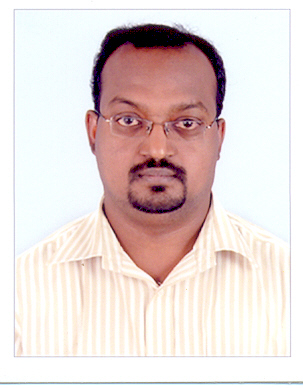
| Yoav Keynan |
| Home
Country: |
|
| Degree: |
MD, Ben-Gurion, Faculty of Health Sciences (1995)
Specialty, Internal Medicine, Carmel Medical Center- Haifa, Israel, 2004
Sub-specialty, Infectious Diseases, University of Manitoba 2007-2009
PhD Student,
Infectious Diseases consultant, Dept. Internal Medicine, Section of Infectious Diseases
Infectious Diseases consultant, Manitoba HIV program
|
Supervisor:
Project Title:
|
Dr. Keith R. Fowke
Understanding factors influencing cross-reactive antibody and cellular immunity to influenza.
|
|
|
|
Description
of the Project: |
| |
 |
| Michael Babu Raj |
| Home
Country: |
India |
| Degree: |
Kuvempu University, Karnataka, Doctoral student |
Supervisor:
Project Title:
|
Dr. Chandrashekar.E, Lecturer
Department of Adult Continuing Education, Extension and Field Out – reach, Kuvempu University, Shankaraghatta – 577 451 Shimoga District Karnataka State
PPTCT Services: Are We Reaching Out? - From Human Rights Perspective
|
|
|
|
Description
of the Project: The study identifies areas of concerns and best practices for an effective and sustainable PPTCT program. It documents the primary barriers that hinder access to services and identifies areas where the children and the family play a role in the solution and not just as part of the problem. The study helps in strengthening linkage between care and prevention and further address concerns related to health service system and delivery. The study also explores the infringement of rights of parents and children, that prevent pediatric access to ART (both policy and programming issues) and how these maybe addressed. |
| |
 |
| Aida Sivro |
| Home
Country: |
Zenica, Bosnia and Herzegovina |
| Degree: |
University of Manitoba, PhD Student 3rd year |
Supervisor:
Project Title:
|
Dr.
Frank Plummer and and Dr. T.B. Ball
Professor, Medical Microbiology, University of Manitoba
The Role of IRF-1 Polymorphisms in susceptibility to HIV-1 Infection |
|
|
|
Description
of the Project: This project involves studying naturally occurring variants of IRF-1 gene, transcriptional regulator and an important player in developing proper host immune responses against HIV-1 infection. Individuals with the ‘protective’ IRF-1 variant have significantly lower chance of getting infected with HIV virus. We are interested in further determining what effects do different IRF-1 gene variants have on HIV-1 replication and the development of host immune responses. |
|
|

|
© 2009 IID & GHTP. All rights reserved.
Contact IID & GHTP
Contact Webmaster
|